Contract Works Insurance.
Policies Bound Same-Day.
Construction sites are high-risk. One storm or theft can wipe out your margin. We negotiate directly with specialist underwriters to secure tailored protection for builders and owner-builders.
Trusted Construction Insurers We Work With

Choose Your Coverage Type
Select the option that best describes your project requirements.

Professional Builders
For Licensed Builders & Civil Contractors
- Annual policies covering all projects
- Based on turnover, not individual jobs
- Run-off cover options available

Owner Builders & Single Projects
For Renovators, Developers & Homeowners
- Cover for one specific site/duration
- Includes "Existing Structures" for renos
- Essential for council compliance
What is Contract Works Insurance?
The Definition
Contract Works Insurance (also known as Construction All Risks) bridges the gap between a standard property policy and public liability. It covers the physical structure being built and the materials on-site against loss or damage.
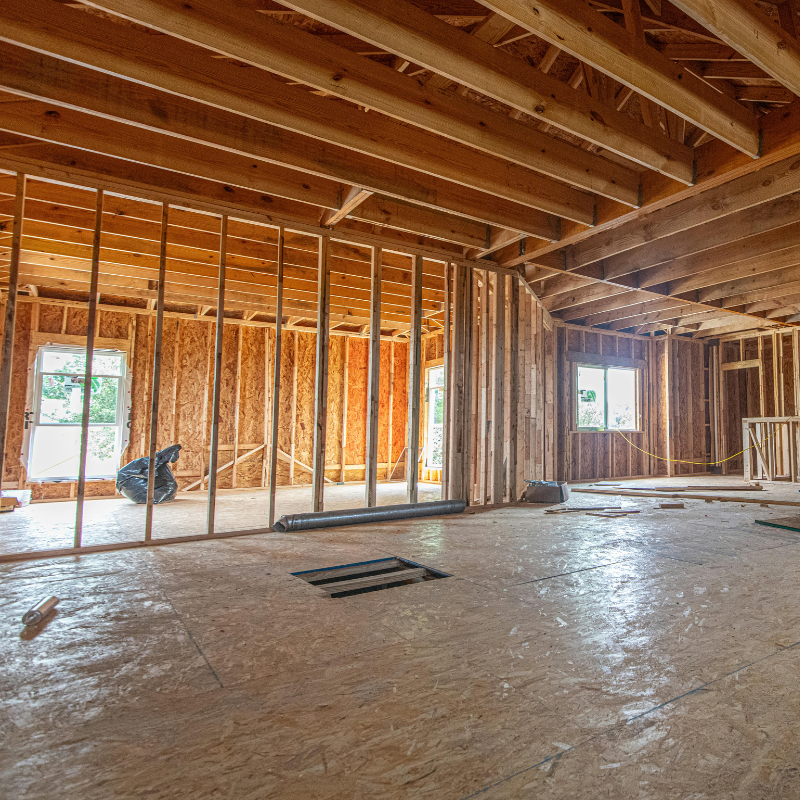
If your timber frame is destroyed by a storm or your copper wiring is stolen, this policy pays to repair or redo the work.
The Common Confusion
You usually need both Contract Works and Public Liability, but they cover fundamentally different things. One protects your assets; the other protects your legal liability.
Quick Comparison
| Feature | Contract Works | Public Liability |
|---|---|---|
| What it covers | The Building & Materials | Third-Party Injury or Damage |
| The Risk | "The Stuff" | "The People" |
| Example Claim | A storm blows down a brick wall. | A brick falls and hits a parked car. |
| Who pays? | Pays you to rebuild. | Pays the victim for their loss. |
Scroll table to see more →
Who We Work With
We don't rely on generic computer algorithms. We speak directly to underwriters at Australia’s leading construction agencies to find the right home for your risk.
" We recently helped a builder with ~$5M revenue who was renewing an annual policy for $35k. We took their risk profile to the open market, negotiated, and secured better terms for $27k. This was an instant $8k saving just by having a broker who knows where to look.
What Is Covered?
A robust policy is designed to restore your project to the stage it was at immediately prior to the damage.
Standard Inclusions
-
Natural Disasters
Storm, wind, hail, flood, and cyclone damage.
-
Fire & Explosion
Damage caused by fire or on-site explosions.
-
Theft & Vandalism
Burglary of materials (e.g., copper wiring) and malicious damage.
-
Demolition Costs
The cost to clear the site after an event so rebuilding can commence.
Vital "Add-Ons" We Check For
-
Existing Structures
Essential for RenovationsProtects the house that is already there (most generic policies exclude this by default).
-
LEG 3 Clauses
For Larger ProjectsWe seek to secure "LEG 3" clauses to offer broader protection against damage caused by design or workmanship errors.
Generic online policies often miss these extensions. We check your scope of works to ensure you aren't left exposed.
How Much Does Contract Works Insurance Cost?
Premiums are calculated based on specific risk profiles, not a flat fee. While every insurer is different, here are five key factors used to determine your price:
1. Project Value
This is the baseline for your premium. For single projects, it is based on the Total Contract Value (materials + labour). For annual policies, it is based on your Annual Turnover.
2. Location
Postcodes matter. Sites located in cyclone, flood, or bushfire zones attract higher premiums. Insurers can also assess the local crime rate to determine the risk of theft or vandalism.
3. Construction Method
Materials drive the "base rate." Timber frames are considered high risk (due to fire susceptibility) and cost more to insure than non-combustible materials like concrete tilt panels or structural steel.
4. The "Renovation" Factor
Are you building from scratch or extending an existing structure? Renovations often cost more to insure because they carry the complex risk of damaging the existing property during construction.
5. Your Claims History
Your track record counts. If you have made frequent claims in the last 3–5 years, particularly for theft or water damage, insurers will view you as a higher risk, leading to increased premiums and higher excesses.
Frequently Asked Questions
Not automatically. Tools are usually a separate section. Let us know and we can bundle it in.
It is difficult, but possible. Most insurers decline "started works," but we have relationships with underwriters who may assist. Call us immediately.
It comes down to access and advocacy. Many specialist construction insurers are underwriting agencies that only deal with insurance brokers; meaning you simply can’t get their terms or pricing on your own. By using a broker, you unlock the entire market, not just the mainstream brands.